
Israel Trail Gear Guide: What to Pack by Season
The Israel National Trail spans ~1,000km from Dan in the north to Eilat in the south, crossing an enormous variety of terrain. Gear must be comprehensive and carefully planned for every season.
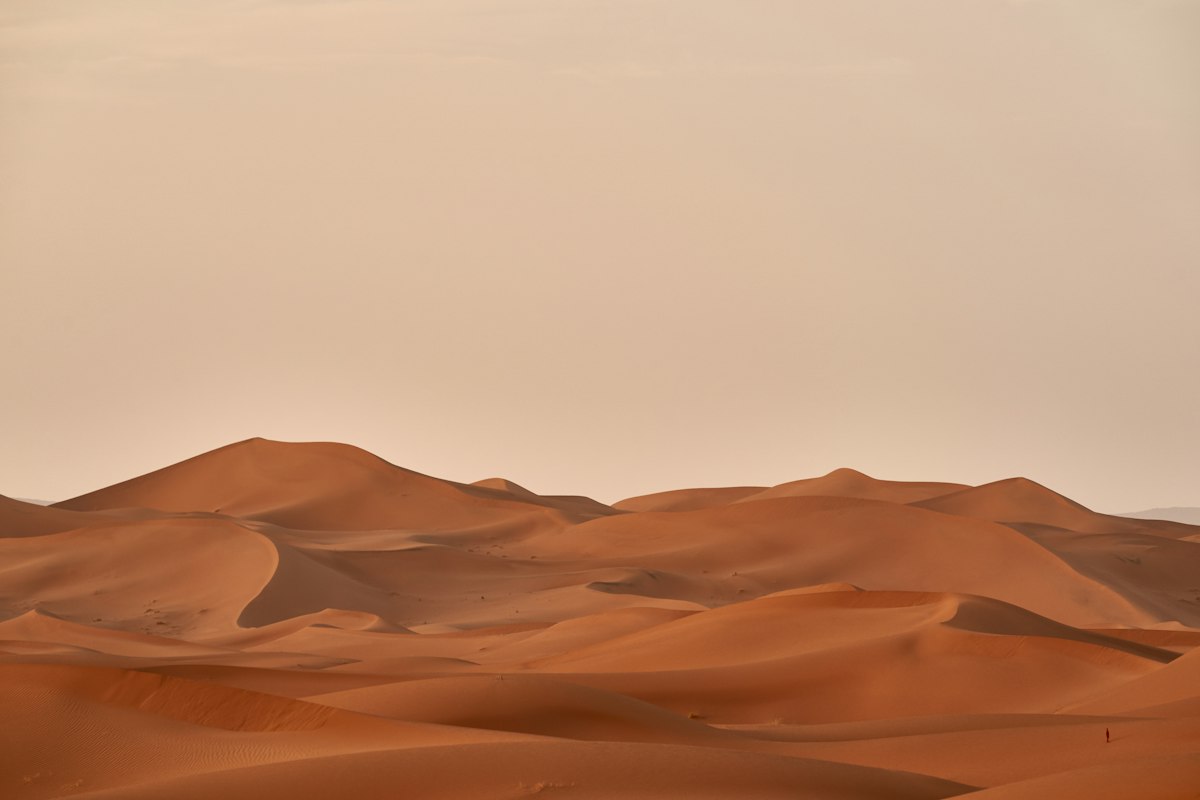
Israel Trail Gear Guide
Everything you need to know — shelter, sleep, kitchen, safety, navigation & clothing
1,000+
km
45–60
Days hiking
4
Climate zones
Year-round
Hiking seasons
Affiliate Disclosure: TrailIQ is a participant in the Amazon Services LLC Associates Program. As an Amazon Associate I earn from qualifying purchases. This comes at no extra cost to you.
The Israel National Trail spans ~1,000km from Dan in the north to Eilat in the south, crossing an enormous variety of terrain: green Galilee forests, fertile valleys, the Judean Desert, the Negev and the Arava.
Because of the extreme climate diversity — from cold Galilean winters to the heavy heat of the Negev — gear must be comprehensive and carefully planned.
Trail Route — North to South
* Difficulty ratings are general estimates only. For official ratings per section, visit the Society for the Protection of Nature in Israel: teva.org.il
Seasonal Recommendations
☀️ Summer Recommendations
- ✓
UPF 50+ sun protection is essential — shirt, pants, wide-brim hat
- ✓
Hydration: 3–4L between water sources; Negev — carry up to 6L
- ✓
Avoid hiking 11am–3pm in extreme heat in the Negev and Arava
- ✓
Light-colored clothing reduces heat absorption by 30%
- ✓
Electrolytes are as important as water — use electrolyte powder or sports drinks
Complete Gear Checklist
The recommended gear list is based on hiker experience and field sources. Recommended average pack weight: up to 15 kg without water
Shelter
Sleep System
Camp Kitchen
Safety
Navigation
Clothing
UPF (Ultraviolet Protection Factor) — UV protection rating. UPF 50+ blocks 98% of UV radiation
Pro Tips for the Israel Trail
- Plan water sources in advance — in the Negev and Arava there are long stretches between water points
- In winter in the north: prepare for heavy rain and mud — the Galilee can be very challenging
- In the south: prepare for extreme heat during the day and cold at night — the temperature gaps are significant
- Trail angels along the way — kibbutzim, moshavim and locals who offer water, showers and sometimes food. Plan ahead where to resupply
- Bring a swimsuit — along the trail there are stunning springs and pools worth diving into
- Document your journey — a camera or smartphone with good battery life will capture moments you'll remember forever
- Plan rest days in special places — stop at kibbutzim and moshavim, volunteer on farms, meet amazing people along the way
Official Sources & Resources
- ▸Society for Protection of Nature — Israel Trailteva.org.il/israel-national-trail
- ▸Shvilistshvilist.com
- ▸Maps: Amud Anan app